Effective condominium management involves financial planning, building maintenance, and compliance with legal requirements. It also requires clear communication between the board and co-owners, supported by tools such as budgeting, reserve fund planning, and maintenance logs.

February 18, 2026 Planibâtimat 1803 times
A short guide to co-ownership : Expert advice for effective management
Understanding Small Condominium Properties in Quebec
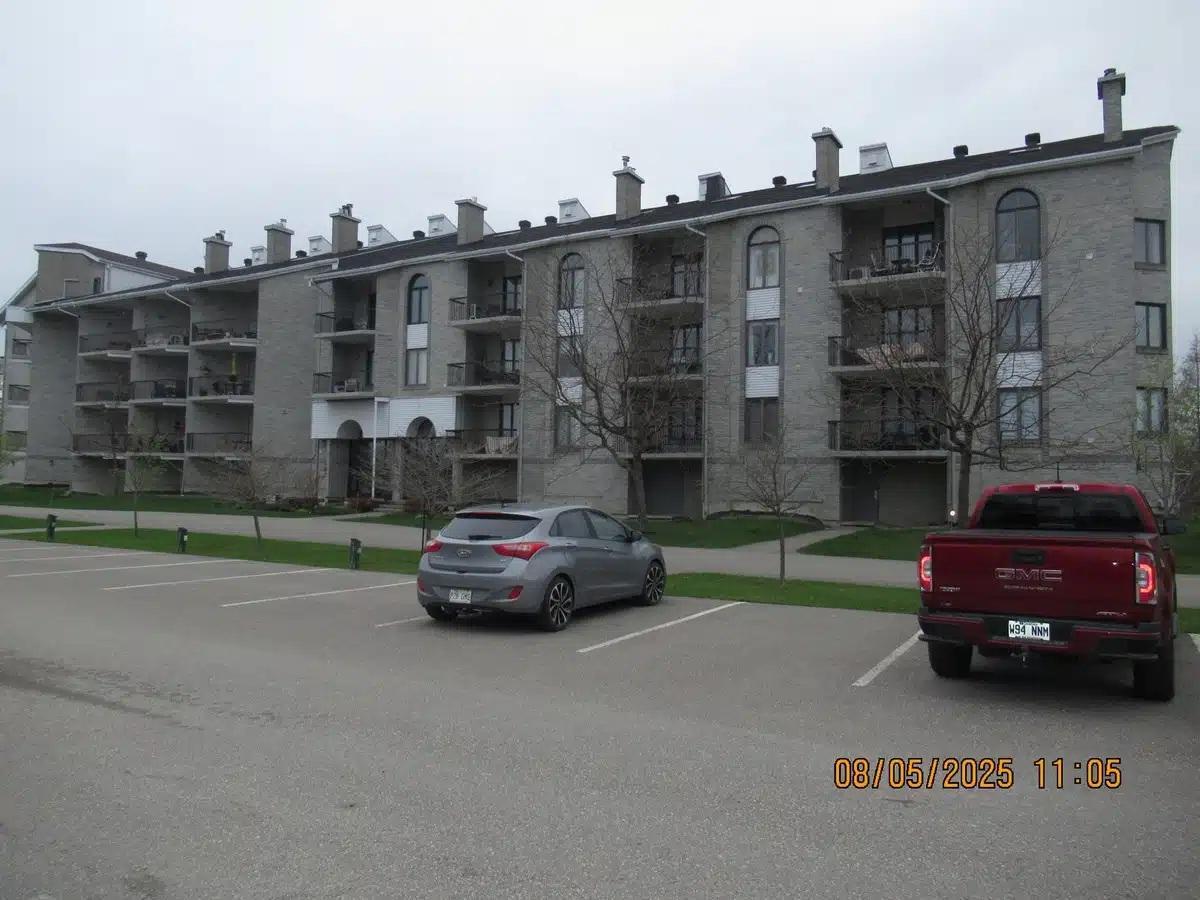
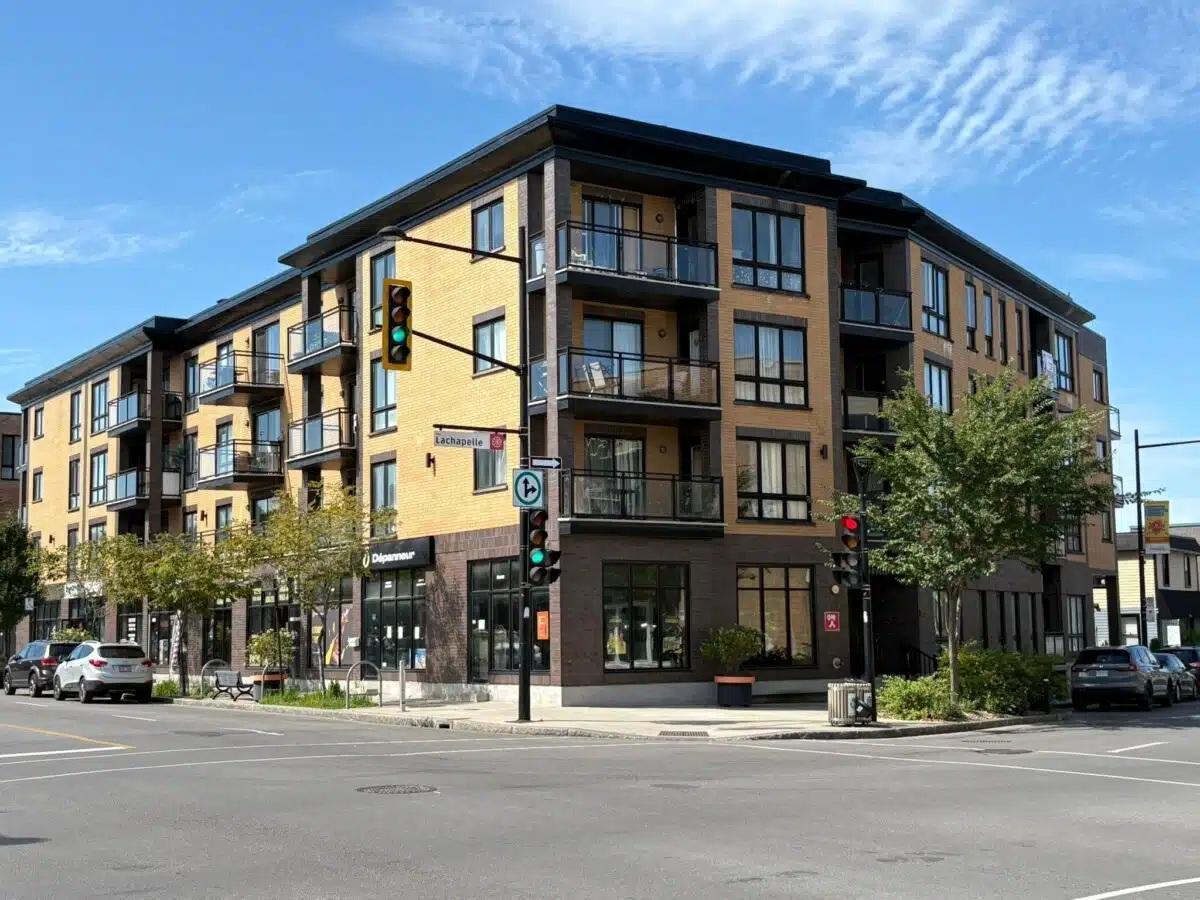
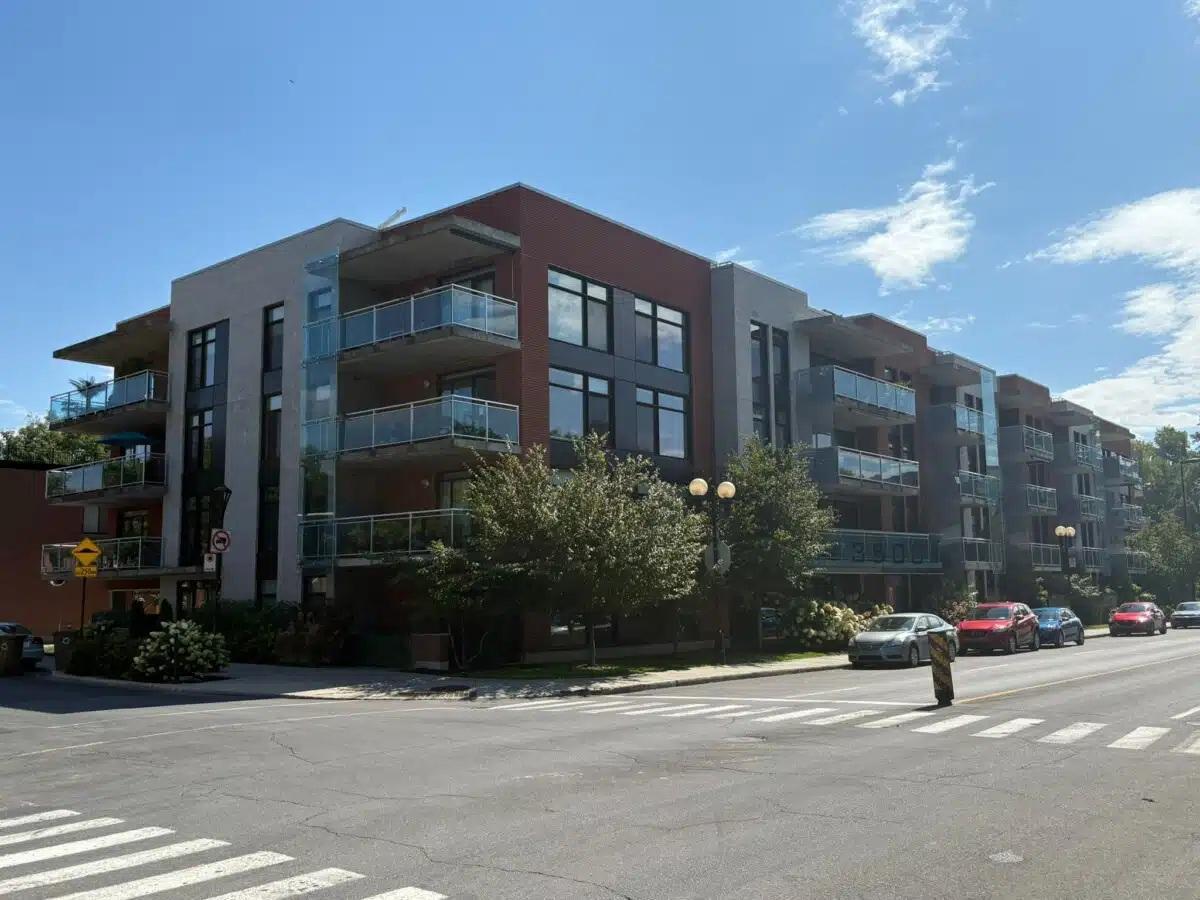
A small condominium typically refers to a residential building with a limited number of units, such as a duplex, triplex, fourplex, or a building containing between six and twelve units. This type of property is becoming increasingly popular in Quebec, as it combines the independence of private living with the benefits of shared ownership.
Often located near green spaces or in developing urban neighbourhoods, these properties offer an appealing balance of quality of life, accessibility, and community living. However, their smaller size does not reduce the responsibilities associated with their management.
The Pillars of Effective Management
A well-managed condominium relies on several essential foundations:
1. Long-Term Planning
Anticipating major work helps prevent unexpected special assessments and ensures the financial stability of the condominium syndicate.
2. Regular Technical Monitoring
- ✔️Water infiltration
- ✔️Cracks
- ✔️Structural deficiencies
- ✔️Premature wear
Periodic inspections of building components allow for the early detection of issues such as:
3. Clear Documentation
Tools such as a maintenance logbook centralize the building’s history and allow managers and co-owners to track:
-
✔️Repairs
-
✔️Inspections
-
✔️Completed work
-
✔️Future timelines
This documentation simplifies decision-making and helps protect the property’s long-term value.
The Importance of a Building Maintenance Logbook
A maintenance logbook serves as a true technical dashboard for a condominium. It allows stakeholders to:
-
✔️Gain a comprehensive overview of the building’s condition
-
✔️Prioritize interventions
-
✔️Forecast required budgets
-
✔️Demonstrate rigorous management to prospective buyers
In many cases, it becomes an indispensable tool for ensuring the longevity of common areas and maintaining transparency among co-owners.
Prevention Is Always Better Than Repair
Proactive management is consistently more cost-effective than reactive intervention. Condominiums that adopt a preventive approach benefit from:
-
✔️Increased property value
-
✔️Fewer emergency repairs
-
✔️Reduced long-term costs
-
✔️Stronger cooperation among co-owners
The involvement of experts in technical analysis and building inspections provides an objective, professional assessment of the property’s condition.
Common Mistakes to Avoid
The most frequent pitfalls observed in small condominium properties include:
-
✔️Absence of an asset maintenance plan
-
✔️Lack of follow-up on repairs
-
✔️Decisions made without technical analysis
-
✔️Underestimation of maintenance budgets
-
✔️Insufficient communication among co-owners
A structured and well-documented management approach helps prevent these issues.
Toward a Sustainable and High-Performing Condominium
The success of a condominium does not depend solely on its size, but on the quality of its management. By adopting professional practices, even a small property can achieve a level of efficiency comparable to that of larger buildings.
A structured approach, appropriate tools, and guidance from specialists are the most effective levers for ensuring:
-
✔️Building durability
-
✔️Regulatory compliance
-
✔️Cost control
-
✔️Harmonious co-ownership
Small condominiums represent a friendly and accessible housing solution, but effective management requires rigor, foresight, and expertise. By implementing structured tools and adopting a proactive approach, it is possible to protect property value while fostering a harmonious living environment.
Questions & Answers
-
1. ❓ What is effective condominium management?
-
2. ❓ What are the key elements of good condo management?Key elements include strong financial planning, regular preventive maintenance, transparent governance, and compliance with applicable regulations. These practices help prevent unexpected costs and ensure long-term building sustainability.
-
3. ❓ How can you improve a condominium’s performance and value?To improve a condo’s performance, it is important to anticipate major repairs, properly fund the reserve fund, and adopt a proactive management approach. A well-maintained property retains its value and attracts potential buyers.
News & advice

The Syndicate of Co-ownership Register: A Key Tool for Transparent Management
Read more
Maintenance of common areas in co-ownership – The Essential To-Do List
Read more
Implications of Bill 16 for condominiums
Read more
Condominium budgeting: Ensuring transparency and effective forecasting
Read more
A Practical Guide to Condo Work in Quebec
Read more
Condominium Expense Allocation: When to Apply It and What Steps to Follow ?
Read more
Syndicate of co-ownership: Essential rules and obligations to know
Read more