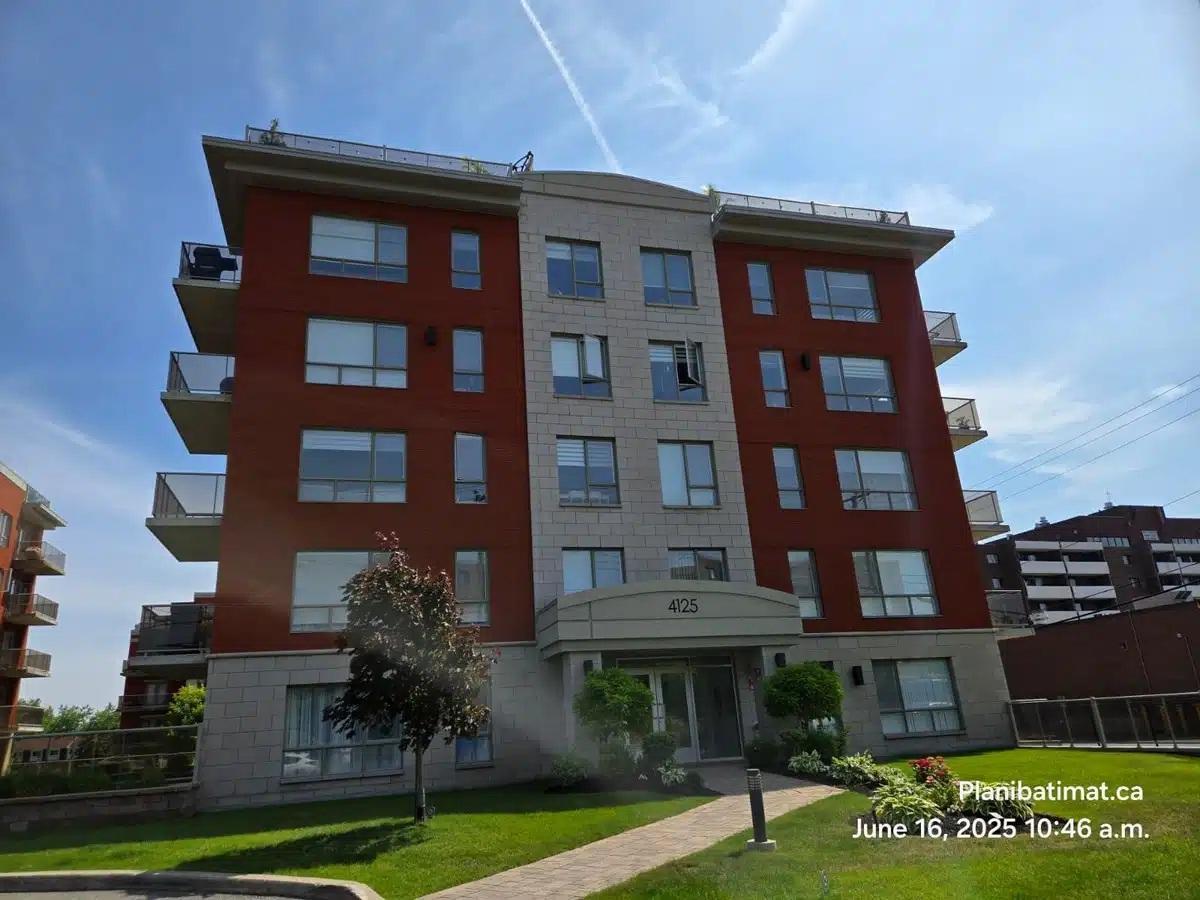
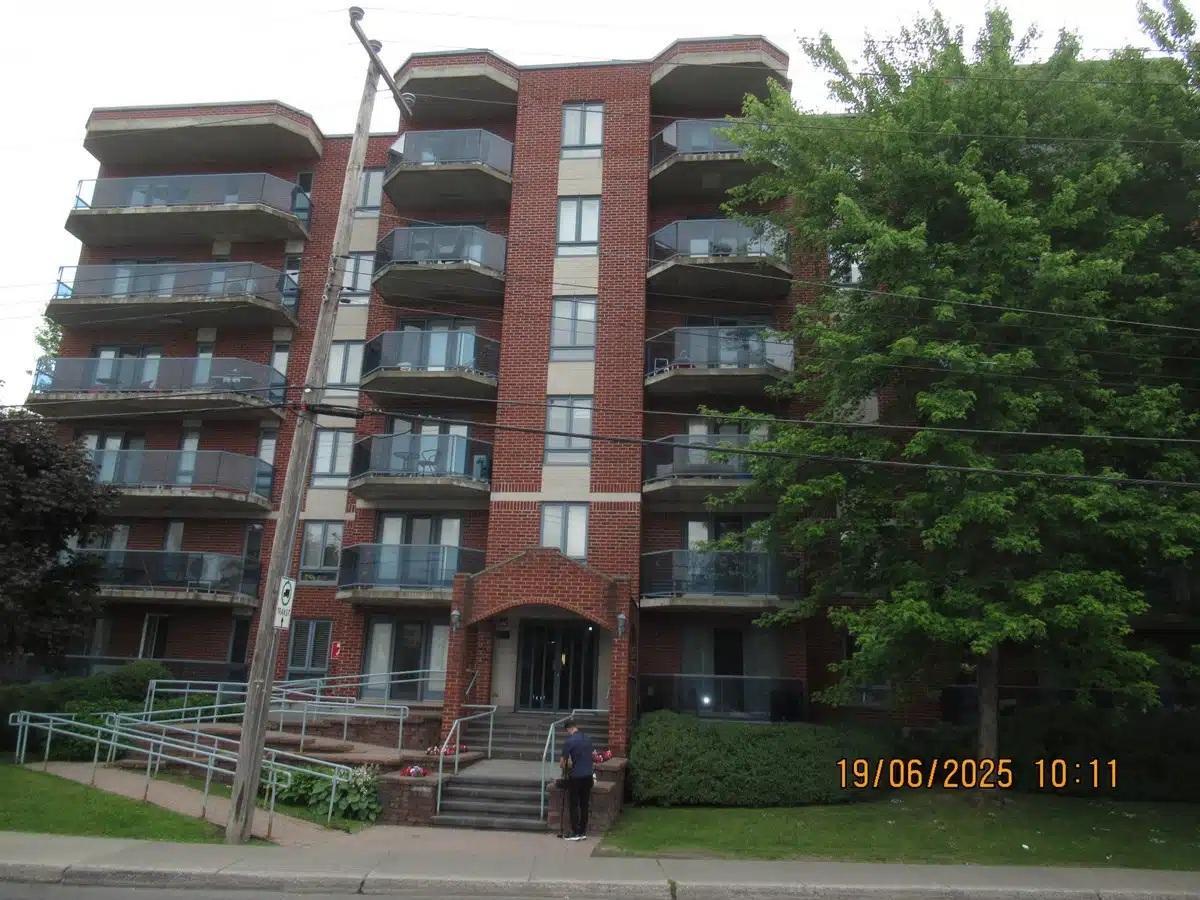
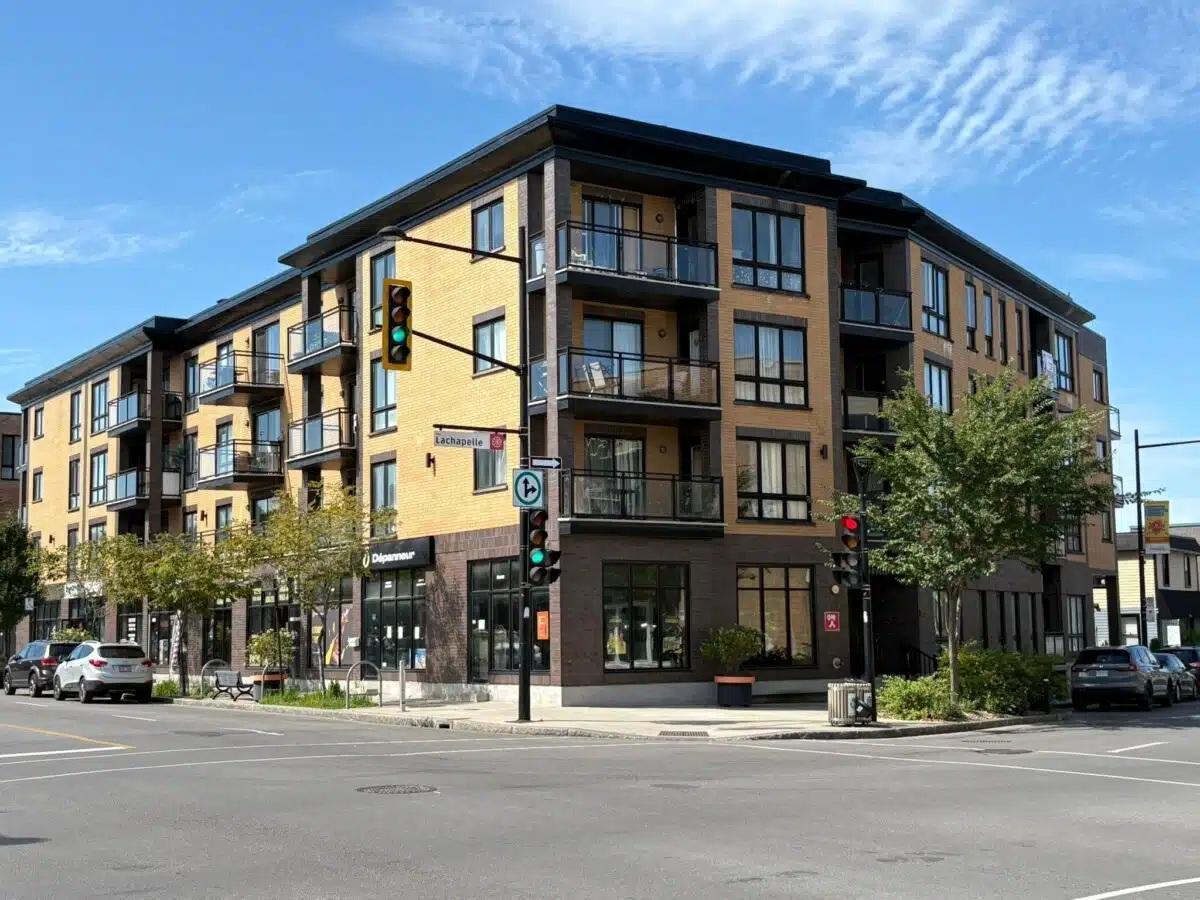
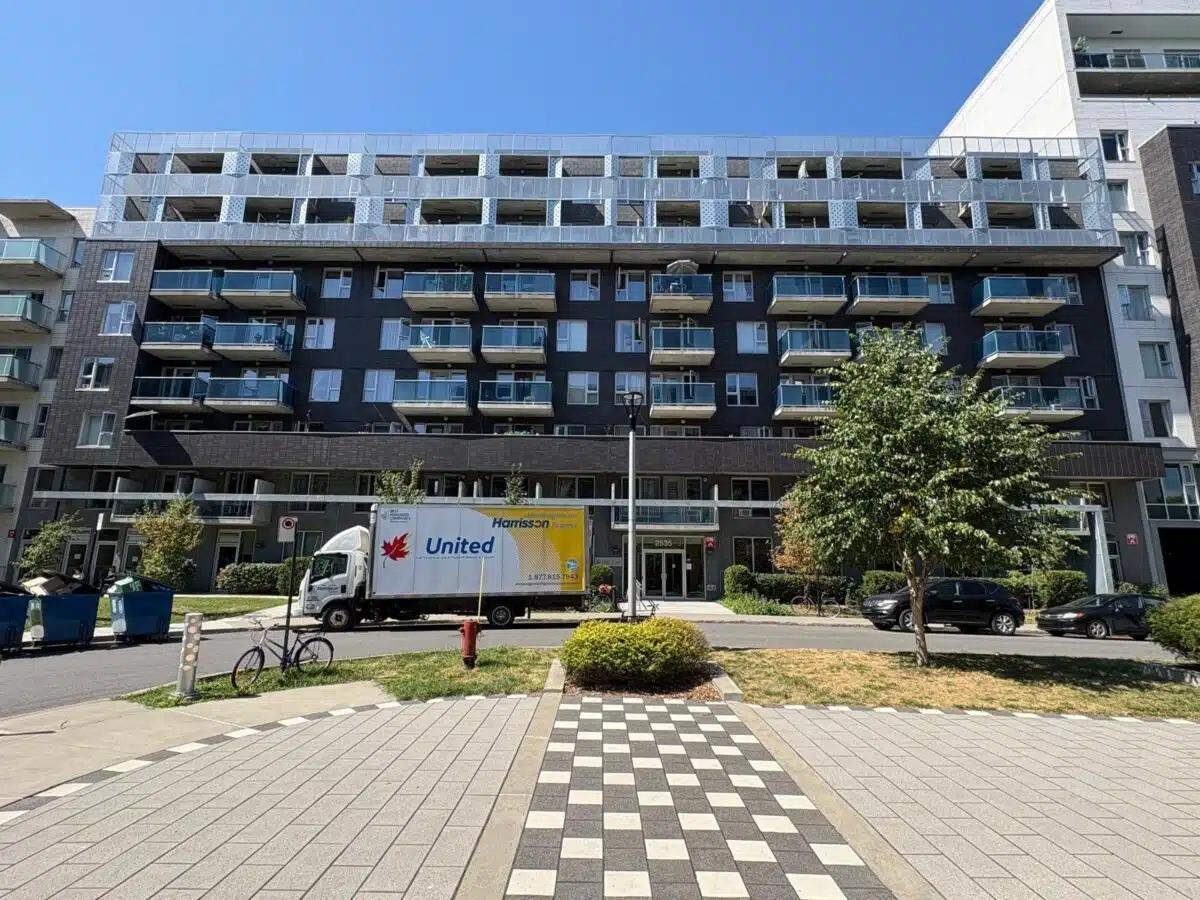
The condo association (syndicate) is responsible for maintaining, repairing, and preserving common areas to ensure safety and building longevity.

March 06, 2026 Planibâtimat 2380 times
Maintenance of common areas in co-ownership – The Essential To-Do List
In a condominium, common areas include all elements that are shared and used collectively by co-owners. These typically include the roof, façade, parking areas, elevators, corridors, and mechanical systems, among others.
Proper maintenance of these shared components is essential to preserve the building’s value, ensure occupant safety, and avoid costly repairs in the long term.
In Québec, maintenance obligations are also regulated by law, particularly with the recent requirements related to the management of condominium buildings. For condominium boards and property managers, having a clear and structured maintenance plan is therefore essential.
Below are the key actions to consider in order to ensure rigorous and efficient maintenance of common areas.
Implement a Building Maintenance Log
A building maintenance log is a fundamental tool for any condominium. It helps structure and plan the interventions required to keep the building in good condition.
This document generally includes:
-
A list of the building’s components
-
Recommended maintenance interventions
-
Inspection frequency
-
A history of completed work
A well-structured maintenance log allows the condominium board to move from reactive management to preventive management, reducing the risk of premature deterioration of the building.
Conduct Regular Building Inspections
Periodic inspections help identify early signs of wear or deterioration.
Key elements that should be regularly monitored include:
-
The roof
-
Façades and balconies
-
Windows and exterior doors
-
Parking areas and concrete structures
-
Plumbing, ventilation, and heating systems
-
Interior common spaces such as stairwells, corridors, and lobbies
Regular inspections make it possible to detect issues early, before they develop into major problems.
Plan Preventive Maintenance Work
Preventive maintenance is one of the most effective ways to extend the lifespan of building components.
Examples of preventive maintenance tasks include:
-
Cleaning gutters
-
Maintaining ventilation systems
-
Checking the watertightness of seals and joints
-
Elevator maintenance
-
Inspecting drainage and water evacuation systems
-
Maintaining parking areas
Regular maintenance helps prevent unexpected and costly repairs.
Ensure Compliance with Regulatory Requirements
Certain inspections are mandatory under Québec regulations. For example, the façades of buildings five storeys or higher must undergo periodic inspections to ensure the safety of occupants and the public.
Condominium boards must therefore ensure compliance with these obligations in order to maintain regulatory compliance and building safety.
Plan Long-Term Investments
Maintenance of common areas must also be part of a long-term financial strategy.
Through a reserve fund study, the condominium board can:
-
Anticipate major future work
-
Plan the required budgets
-
Avoid unexpected special assessments
-
Ensure sound financial management of the property
Proper planning is essential to preserve the long-term value of the building.
Document and Track All Interventions
Effective management of common areas also requires rigorous documentation of maintenance and inspections.
It is recommended to:
-
Keep inspection reports
-
Document repairs carried out
-
Maintain a record of interventions
-
Regularly update the building’s technical documentation
This traceability ensures transparent and well-organized condominium management.
The Importance of a Professional Approach
Managing the maintenance of common areas can quickly become complex, particularly in medium- or large-scale condominiums. Working with a specialized firm provides an objective assessment of the building’s condition and tailored recommendations for maintenance and repairs.
At Planibatimat, our experts support condominium boards and property managers in the planning, inspection, and maintenance management of buildings, including through:
-
Building maintenance logs
-
Reserve fund studies
-
Building condition assessments
-
And other specialized technical services
Our goal is to help condominiums preserve their buildings, optimize their investments, and ensure the safety of occupants.
Need Support with Your Condominium Management?
Contact the team at Planibatimat for a professional evaluation and expert recommendations tailored to your building.
Questions & Answers
-
1. ❓Who is responsible for maintaining common areas in a condo?
-
2. ❓What is a maintenance log (carnet d’entretien) and is it mandatory?A maintenance log is a key (and now mandatory in Quebec) document that tracks inspections, completed work, and future maintenance planning to support preventive management.
-
3. ❓Why is long-term maintenance planning important?Long-term planning helps anticipate major repairs, avoid special assessments, and ensure strong financial management through the contingency fund.
News & advice

Implications of Bill 16 for condominiums
Read more
Contingency Fund Co-Ownership: Are You Compliant in 2026?
Read more
Condominium Expense Allocation: When to Apply It and What Steps to Follow ?
Read more
Bill 16 : The Must-Sees for Co-Owners in Quebec
Read more
A Practical Guide to Condo Work in Quebec
Read more
The Syndicate of Co-ownership Register: A Key Tool for Transparent Management
Read more
Building Thermography: An Essential Tool for Detecting Hidden Issues and Protecting Your Investment
Read more