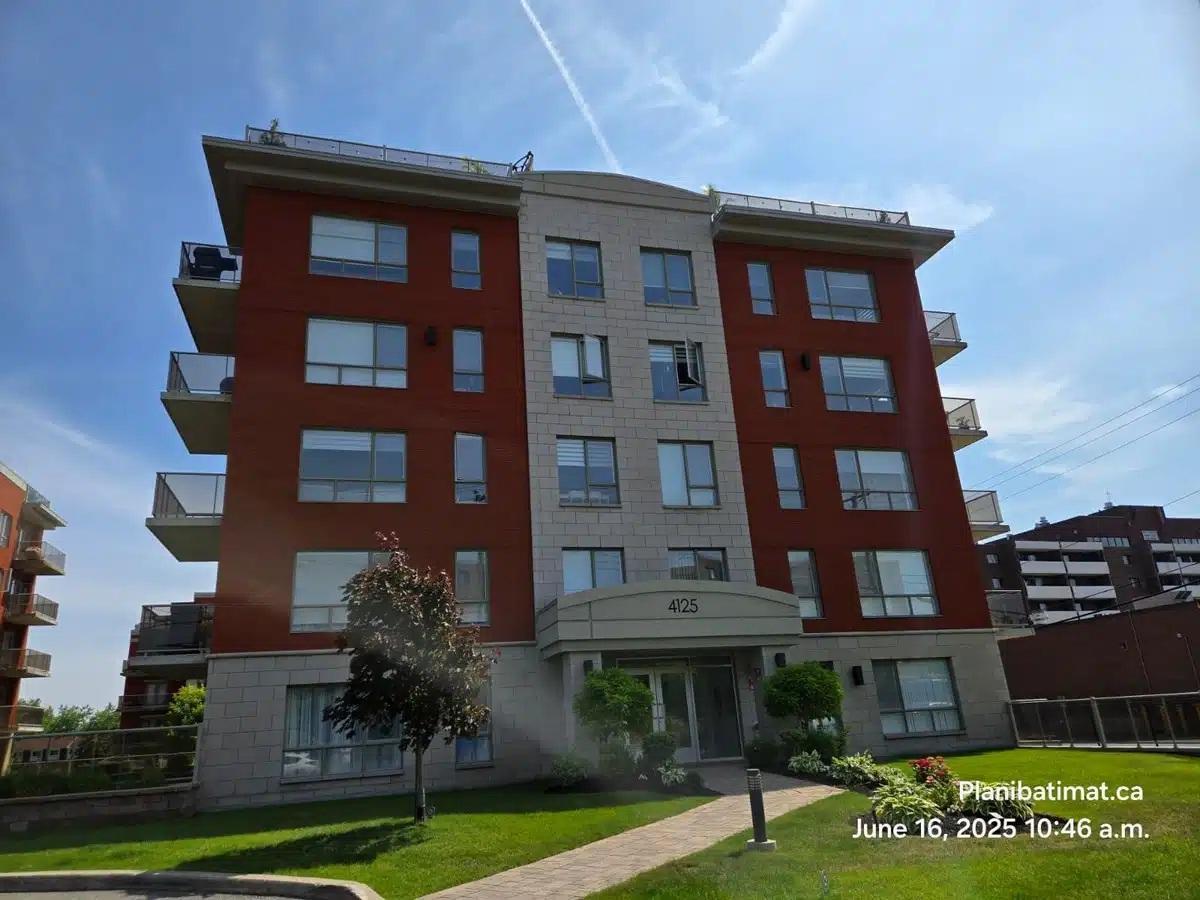
Bill 16 introduces several important obligations for condominium syndicates in Quebec aimed at improving the management, transparency, and long-term maintenance of condominium buildings.
Among the key requirements are the preparation of a reserve fund study, the implementation of a building maintenance log, and the issuance of a certificate on the condition of the condominium when a unit is sold.
These measures are designed to ensure better financial planning, improved maintenance of buildings, and greater transparency for both condominium owners and prospective buyers.

March 13, 2026 Planibâtimat 1339 times
Bill 16 : The Must-Sees for Co-Owners in Quebec
The adoption of Bill 16 in Quebec represents a major reform in the governance and management of condominium buildings. Introduced to improve transparency, financial planning, and building maintenance, this legislation significantly changes how condominium syndicates manage their properties.
For condominium owners, board members, and property managers, understanding these new requirements is essential to ensure compliance and protect the long-term value of their real estate assets.
In this article, we review the key requirements introduced by Bill 16 that every condominium owner in Quebec should understand.
Why Bill 16 Was Introduced
Over the past decades, condominium ownership has grown rapidly across Quebec. Today, hundreds of thousands of Quebec residents live in condominiums, making it one of the most common forms of housing in urban areas.
However, several studies and industry reports have revealed recurring issues within many condominium syndicates, including:
-
Insufficient reserve funds for major repairs
-
Lack of long-term maintenance planning
-
Limited transparency regarding building condition and financial health
Bill 16 was therefore introduced to promote better governance, improved financial planning, and proactive building maintenance.
Ultimately, the goal of the legislation is to protect condominium owners and ensure the long-term sustainability of condominium buildings.
The Reserve Fund Study: A Central Requirement of Bill 16
One of the most important measures introduced under Bill 16 is the requirement for condominium syndicates to conduct a reserve fund study.
What Is a Reserve Fund?
The reserve fund is a financial reserve created by condominium owners to cover major repairs and replacement of common building components.
These expenses may include:
-
Roof replacement
-
Façade repairs
-
Structural work
-
Mechanical systems replacement
-
Rehabilitation of common areas
According to Article 1071 of the Civil Code of Quebec, the reserve fund must be used exclusively for major repairs and replacement of common elements.
Why the Reserve Fund Study Is Now Mandatory
Prior to Bill 16, many condominium syndicates did not adequately fund their reserve accounts. As a result, when major repairs became necessary, owners often faced unexpected and sometimes substantial special assessments.
To address this issue, Bill 16 requires condominium syndicates to obtain a professional reserve fund study prepared by a qualified expert.
This study typically includes:
-
An assessment of the building’s common components
-
An estimate of their remaining useful life
-
A projection of future repair and replacement costs
-
Recommendations regarding appropriate reserve fund contributions
By implementing these measures, condominium syndicates can anticipate future expenses and avoid financial surprises for owners.
The Maintenance Log: The Building’s Technical Record
Another important requirement introduced by Bill 16 is the creation of a maintenance log for the building.
What Is a Maintenance Log?
The maintenance log is a technical document that records the history and planning of building maintenance activities.
It essentially serves as the long-term operational record of the property.
The maintenance log typically includes:
-
An inventory of the building’s components
-
Records of inspections performed
-
The history of repairs and renovations
-
Recommended maintenance schedules
-
Future interventions required
According to Article 1070.2 of the Civil Code of Quebec, the maintenance log must be maintained and updated regularly by the condominium syndicate.
Why the Maintenance Log Is Important
Buildings are complex assets that require continuous monitoring and maintenance planning.
Without a proper maintenance log, important information can easily be lost over time, particularly when condominium board members change.
A well-maintained log allows syndicates to:
-
Improve long-term asset management
-
Facilitate knowledge transfer between boards
-
Reduce the risk of premature deterioration of building components
Ultimately, it supports proactive and responsible property management.
The Certificate on the Condition of the Condominium
Bill 16 also introduces measures designed to improve transparency during real estate transactions.
When a condominium unit is sold, the seller must obtain from the condominium syndicate a certificate describing the condition of the condominium corporation.
This document provides potential buyers with important information about the building and the financial health of the condominium.
Information Typically Included
The certificate may include:
-
The financial status of the condominium syndicate
-
The balance of the reserve fund
-
Planned or ongoing major repairs
-
Common expenses
-
Any ongoing legal disputes affecting the syndicate
This measure helps ensure that buyers receive clear and reliable information before purchasing a condominium unit.
Improved Financial Planning for Condominium Syndicates
One of the core objectives of Bill 16 is to strengthen financial planning within condominium corporations.
Under the new framework, condominium syndicates must adopt a more structured approach to building management by:
-
Planning major repairs over the long term
-
Maintaining an adequately funded reserve account
-
Documenting maintenance activities through the maintenance log
These practices significantly reduce the likelihood of unexpected special assessments and financial instability.
The Impact of Bill 16 on Condominium Owners
While Bill 16 introduces new responsibilities for condominium syndicates, it also provides significant benefits for condominium owners.
Stronger Financial Protection
With proper reserve fund planning, owners are less likely to face sudden and costly financial contributions.
Better Maintained Buildings
The maintenance log and long-term planning tools ensure that buildings are maintained more systematically.
Increased Transparency
Buyers and owners now have access to more comprehensive information about the condition and management of the condominium.
These improvements contribute to greater confidence in the condominium market.
Ensuring Compliance With Bill 16
To comply with the requirements introduced by Bill 16, many condominium syndicates rely on engineering firms, building consultants, and specialized inspection professionals.
These experts can assist with:
-
Conducting reserve fund studies
-
Preparing the building maintenance log
-
Performing technical building inspections
-
Developing long-term asset management strategies
Working with qualified professionals ensures that condominium syndicates remain compliant with Quebec regulations while protecting the long-term value of their property.
Bill 16 is transforming the way condominium buildings are managed in Quebec. By introducing tools such as reserve fund studies, maintenance logs, and enhanced transparency requirements, the legislation promotes more responsible, proactive, and sustainable condominium governance.
For condominium owners and syndicates alike, the message is clear: anticipate future repairs, plan finances carefully, and maintain buildings proactively.
Beyond regulatory compliance, Bill 16 represents an important step toward protecting the value, safety, and longevity of condominium properties throughout Quebec.
Questions & Answers
-
1. ❓What are the main requirements introduced by Bill 16 for condominiums in Quebec?
-
2. ❓Why is the reserve fund study essential for a condominium?A reserve fund study is a critical planning tool that evaluates the condition of a building’s common components and forecasts the major repairs and replacements that will be required in the future. By conducting this study, the condominium syndicate can determine the appropriate contributions to the reserve fund needed to cover major repairs and long-term building maintenance. Proper reserve fund planning helps avoid unexpected special assessments and contributes to the long-term financial stability of the condominium.
-
3. ❓How does Bill 16 improve the management and maintenance of condominium buildings?Bill 16 promotes a more proactive and structured approach to condominium management. One of the key tools introduced is the building maintenance log, which records the history of inspections, repairs, and maintenance activities carried out on the property. When combined with the reserve fund study, the maintenance log allows condominium syndicates to plan future work, manage building assets more effectively, and ensure the long-term sustainability of the property. These measures ultimately support better governance, improved building maintenance, and stronger financial management for condominiums across Quebec.
News & advice

A Practical Guide to Condo Work in Quebec
Read more
Condominium Expense Allocation: When to Apply It and What Steps to Follow ?
Read more
Pre-Winter Building Inspection: Why Act Now?
Read more
Implications of Bill 16 for condominiums
Read more
Condo Maintenance Logbook: Quebec Bill 16 Requirements
Read more
Condominium budgeting: Ensuring transparency and effective forecasting
Read more
Electrical Thermography: Detecting Problems Before They Become Serious
Read more