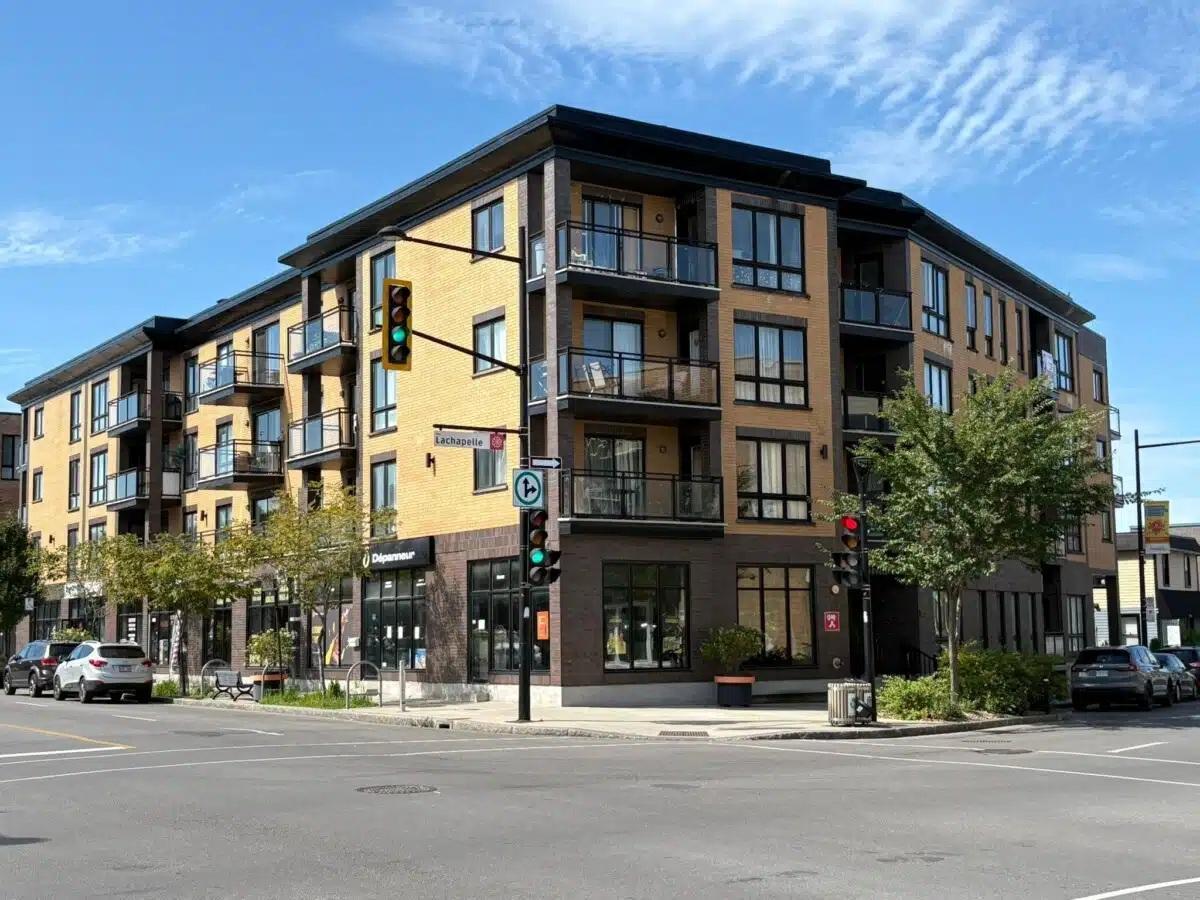
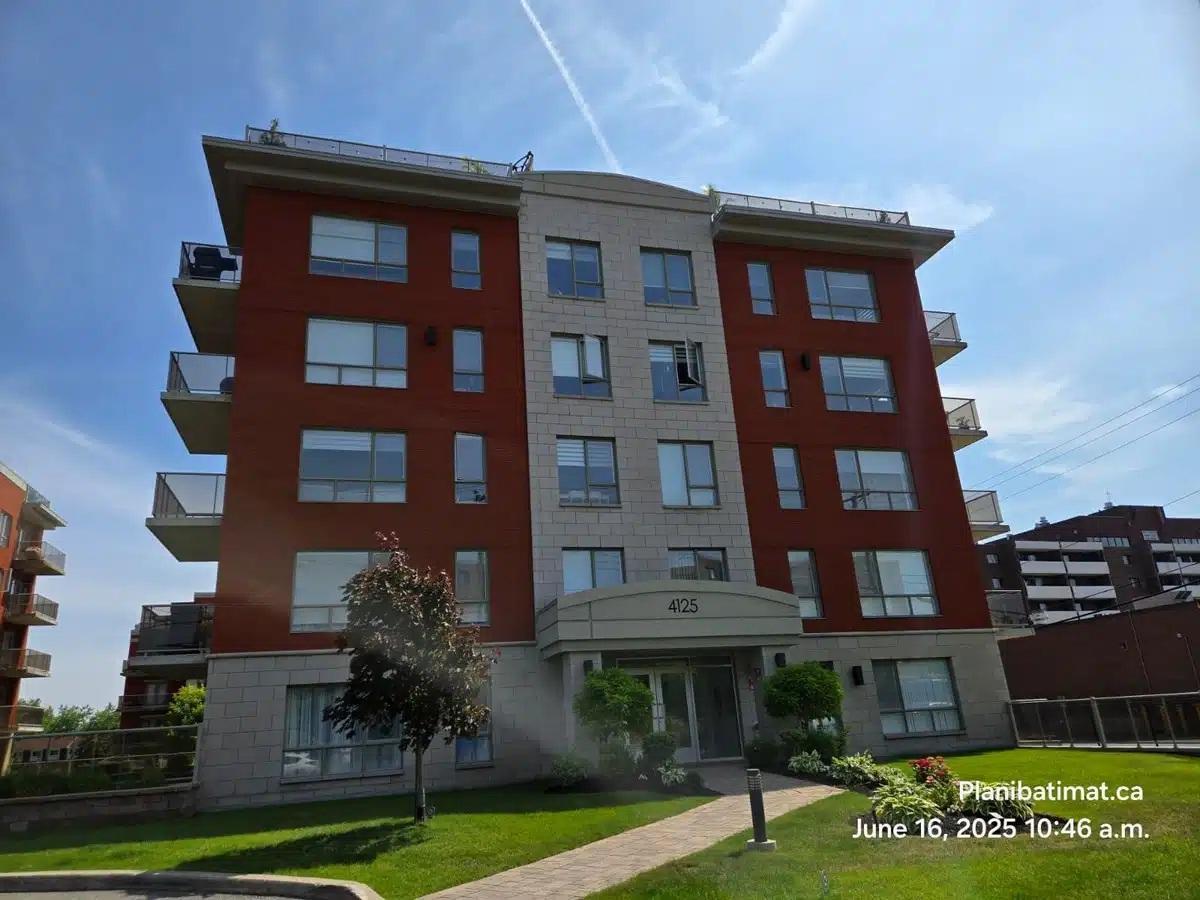
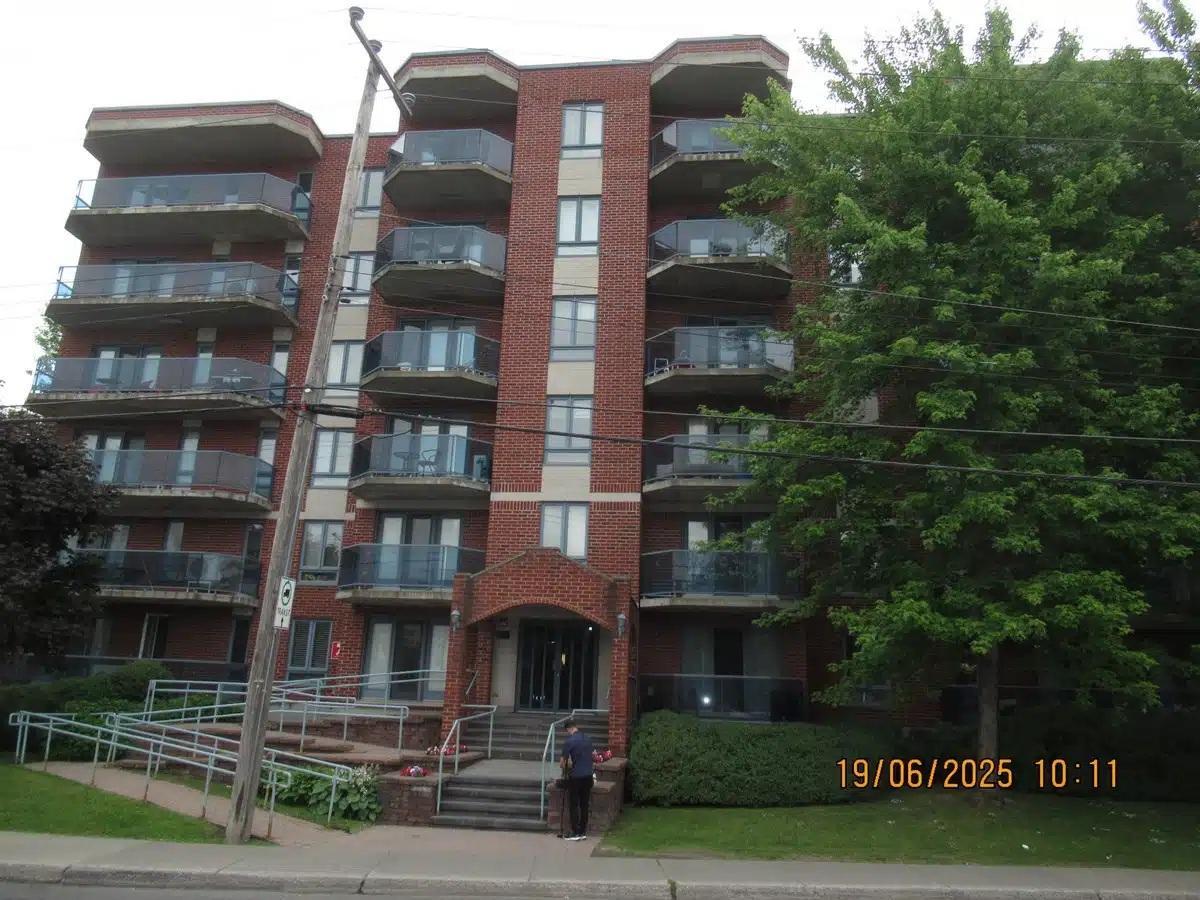
Yes. Since the regulations associated with Quebec’s Bill 16 came into force on August 14, 2025, condominium syndicates have been required to maintain a logbook that complies with the applicable regulatory requirements. This obligation also applies to smaller condominium properties, although certain review requirements may vary depending on the building’s characteristics.
October 22, 2026 Planibatimat 38 times
Condo Maintenance Logbook: Quebec Bill 16 Requirements
The condominium maintenance logbook has become an essential document for condominium syndicates in Quebec. With the implementation of regulations introduced under Bill 16, condominium boards must take a more structured approach to building maintenance, recordkeeping, and long-term planning.
But what exactly should a maintenance logbook contain? Who is qualified to prepare one? How often must it be updated? And most importantly, how can condominium boards turn this regulatory requirement into a practical tool for managing their properties?
Here is what condominium syndicates and property managers need to know.
What Is a Condominium Maintenance Logbook?
A condominium maintenance logbook is a reference document that brings together essential information about a building’s condition, maintenance requirements, and planned interventions.
It provides a structured record of building components, completed maintenance work, and future repairs or replacements.
A maintenance logbook may cover various building components and systems, including:
✔️Roofing systems and exterior cladding;
✔️Foundations and structural components;
✔️Doors, windows, and other building openings;
✔️Plumbing and electrical systems;
✔️Heating, ventilation, and air conditioning (HVAC) systems;
✔️Elevators and mechanical equipment;
✔️Parking facilities and other common areas.
The maintenance logbook serves as a technical record of the building, helping current and future board members better understand its condition, maintenance history, and long-term needs.
Is a Maintenance Logbook Mandatory Under Quebec’s Bill 16?
Yes. Since August 14, 2025, condominium syndicates in Quebec have been subject to mandatory maintenance logbook requirements, in accordance with Section 1070.2 of the Civil Code of Québec and the applicable regulations.
These requirements are part of a broader effort to strengthen transparency, financial planning, and the long-term preservation of condominium buildings.
In general, existing condominium syndicates have three years and one day from the date the regulations came into force to obtain their first maintenance logbook, meaning August 15, 2028, subject to specific transitional provisions.
The requirement also applies to smaller condominium properties, although certain review procedures may vary depending on the building’s characteristics.
A maintenance logbook should therefore no longer be viewed as an optional administrative document. It is now a key component of responsible condominium management.
What Must a Bill 16-Compliant Maintenance Logbook Include?
A compliant maintenance logbook must contain structured, sufficiently detailed information to support the monitoring and maintenance of the building’s components.
1. An Inventory of Building Components
The logbook must include an inventory and description of the common portions of the property, along with the materials, systems, and equipment that make up those areas.
It must also address certain components located within private portions when their maintenance falls under the syndicate’s responsibility.
2. A Preventive Maintenance Program
The document must outline required maintenance activities, their recommended frequency, and the dates on which they have been performed.
This information helps condominium boards organize periodic inspections, maintenance tasks, and necessary interventions.
3. A Record of Repairs and Maintenance Work
The maintenance logbook must document routine repairs, major repairs, and replacements carried out on the property.
Relevant contracts, warranties, inspection reports, and other supporting documents must also be recorded.
4. A 25-Year Major Repair and Replacement Plan
A separate section of the logbook must address the estimated condition of building components, their remaining useful life, and the major repairs and replacements expected over a period of at least 25 years.
This long-term outlook helps condominium boards anticipate future building needs and coordinate maintenance decisions with financial planning.
Who Is Qualified to Prepare a Condominium Maintenance Logbook in Quebec?
Under Quebec’s regulations, a condominium maintenance logbook must be prepared by a professional who meets the prescribed qualification and independence requirements.
Eligible professionals must belong to one of the recognized professional orders, including:
✔️Ordre des ingénieurs du Québec (Quebec Order of Engineers);
✔️Ordre des architectes du Québec (Quebec Order of Architects);
✔️Ordre des technologues professionnels du Québec (Quebec Order of Professional Technologists);
✔️Ordre des évaluateurs agréés du Québec (Quebec Order of Chartered Appraisers).
They must also primarily practise in a field related to property management, construction, renovation, property appraisal, or building inspection, and satisfy the applicable independence requirements.
Choosing a qualified professional is therefore an important step toward obtaining a reliable and compliant maintenance logbook.
How Often Must a Condominium Maintenance Logbook Be Updated?
A maintenance logbook is not a document that should be prepared once and then stored away.
The condominium board of directors must update the logbook at least once a year.
Annual updates help ensure that completed maintenance work, repairs, contracts, and relevant documentation are properly recorded.
In addition, the logbook must generally be reviewed by an authorized professional at least every five years.
Certain condominium properties may qualify for a ten-year professional review cycle, particularly those with no more than eight qualifying private portions or buildings that meet other specific regulatory criteria.
It is important to distinguish between annual updates carried out by the board of directors and periodic reviews performed by a qualified professional.
Maintenance Logbook vs. Contingency Fund Study: What Is the Difference?
Although they are closely related, the maintenance logbook and the contingency fund study serve different purposes.
The maintenance logbook focuses primarily on documenting building components, their condition, maintenance requirements, and planned interventions.
The contingency fund study, on the other hand, assesses the financial resources needed to cover major repairs and replacements of common portions, in accordance with applicable requirements.
Together, these documents help connect the building’s technical maintenance needs with the condominium’s long-term financial planning.
This complementary approach allows condominium boards to better anticipate their responsibilities and make informed decisions.
Why Is a Maintenance Logbook Essential to a Building’s Long-Term Condition?
Beyond regulatory compliance, a maintenance logbook is a valuable management tool for condominium boards and property managers.
Anticipate Repairs Instead of Responding to Emergencies
A structured maintenance plan helps identify necessary interventions before certain building issues become more serious.
Improve Maintenance Budget Planning
Understanding future maintenance needs makes it easier to prepare budgets and anticipate potential expenses.
Ensure Continuity in Building Management
When board members change, the maintenance logbook provides a reliable record of previous work and upcoming maintenance requirements.
Help Preserve Property Value
A building that is regularly maintained and properly documented benefits from more consistent monitoring of its condition and components.
Promote Transparency Among Co-Owners
The logbook helps explain decisions related to maintenance priorities, planned repairs, and the condominium’s financial needs.
From a Maintenance Logbook to Proactive Building Management
Compliance with Bill 16 is an important milestone, but it should not be the ultimate objective.
To deliver lasting value, the maintenance logbook should be integrated into the building’s day-to-day management practices.
Centralizing documents, tracking maintenance activities, scheduling inspections, and maintaining a reliable history of completed work can all be supported by appropriate digital management tools.
This approach allows condominium boards to move away from reactive maintenance and adopt a more proactive, organized, and well-documented building management strategy.
The maintenance logbook then becomes much more than a regulatory requirement. It supports informed decision-making and the long-term preservation of the property.
Condominium Maintenance Logbook Services in Montreal, Laval, and Across Quebec
For condominium syndicates, preparing a compliant maintenance logbook is an important step toward improving building management and meeting regulatory obligations.
Planibatimat supports condominium syndicates and property managers with building maintenance planning, condition assessments, and long-term property management needs.
Through an approach focused on understanding building conditions and anticipating future interventions, Planibatimat helps promote more structured and sustainable property management practices.
Whether your condominium is located in Montreal, Laval, or elsewhere in Quebec, our team can help you assess your building’s needs and plan the next steps.
Does Your Condominium Have a Bill 16-Compliant Maintenance Logbook?
Don't wait until regulatory deadlines approach to start planning.
Questions & Answers
-
1. ❓ Is a maintenance logbook mandatory for all condominiums in Quebec?
-
2. ❓What is the deadline for obtaining a Bill 16-compliant condominium maintenance logbook?Existing condominium syndicates generally have until August 15, 2028, to obtain their first compliant maintenance logbook, subject to applicable transitional provisions. Starting the process early allows sufficient time to assess the building’s condition, document maintenance requirements, and plan future interventions.
-
3. ❓What is the difference between a condominium maintenance logbook and a contingency fund study?A condominium maintenance logbook documents the condition of building components, completed maintenance work, and planned interventions. A contingency fund study assesses the financial resources required for major repairs and replacements of common portions. Together, these documents support preventive maintenance, long-term financial planning, and responsible condominium management.
News & advice
Building Thermography: An Essential Tool for Detecting Hidden Issues and Protecting Your Investment
Read more
A short guide to co-ownership : Expert advice for effective management
Read more
Contingency Fund Co-Ownership: Are You Compliant in 2026?
Read more
A Practical Guide to Condo Work in Quebec
Read more
Condominium Expense Allocation: When to Apply It and What Steps to Follow ?
Read more
Bill 16 : The Must-Sees for Co-Owners in Quebec
Read more
Maintenance of common areas in co-ownership – The Essential To-Do List
Read more