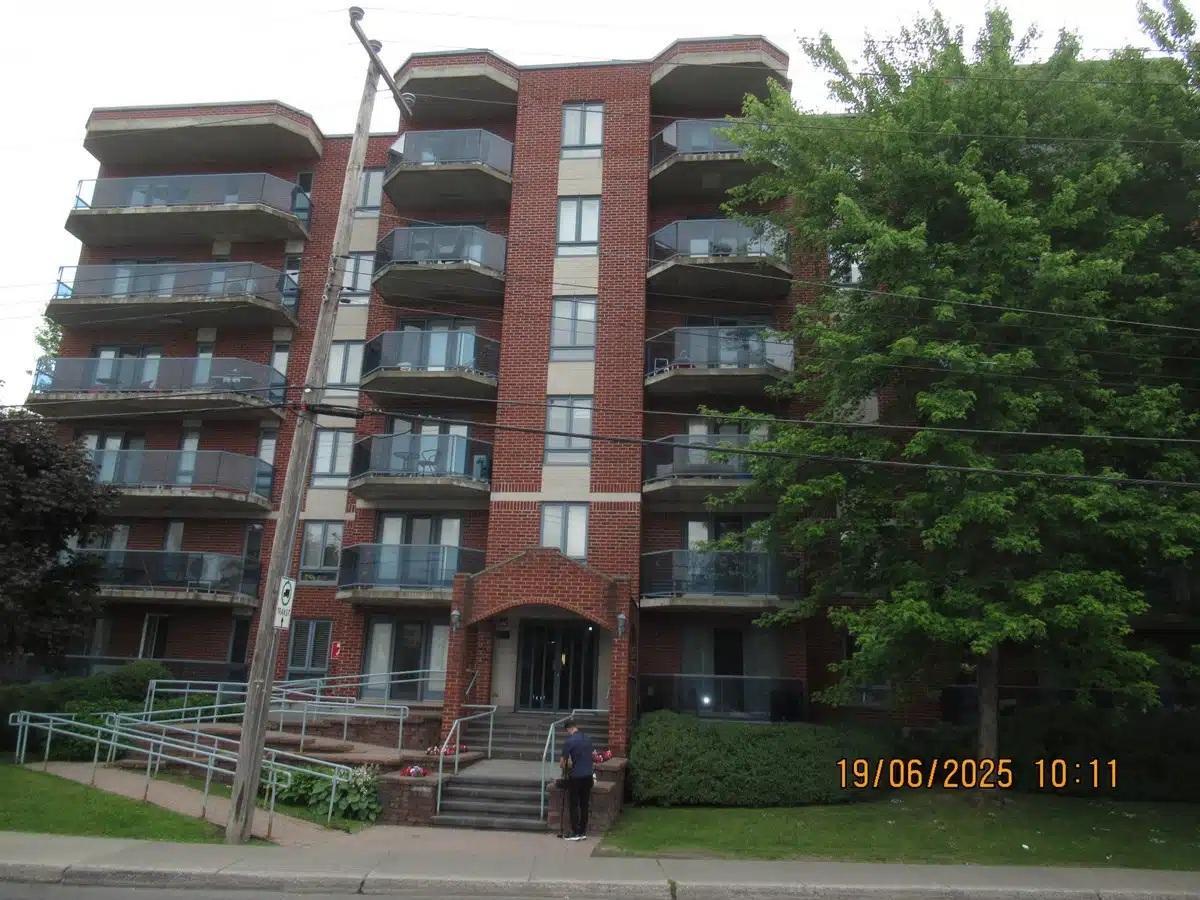
A pre-winter building inspection helps document the visible condition of the property, identify potential deficiencies, and determine which components may require monitoring or corrective action. It also supports better planning of maintenance work and budgets before snow, freezing temperatures, and winter conditions make certain areas more difficult to access.

August 25, 2026 Planibatimat 235 times
Pre-Winter Building Inspection: Why Act Now?
Winter can be unforgiving when it comes to building deficiencies. Snow, ice, freezing temperatures, moisture, and repeated freeze-thaw cycles can worsen existing issues in the building envelope and make repairs more challenging once winter sets in.
As summer draws to a close, there are still a few weeks of generally favourable weather conditions to inspect your building before winter, document its current condition, and plan any necessary maintenance or corrective work.
For property owners, property managers, and condominium syndicates, this period provides a valuable opportunity to shift from reactive maintenance to a more proactive preventive building maintenance strategy.
Why Have Your Building Inspected Before Winter?
A building may appear to be in good condition while still showing subtle signs of deterioration that can easily go unnoticed.
A crack in the exterior cladding, deteriorating sealant, a damaged membrane, or an inadequate drainage system can become more problematic as weather conditions deteriorate.
The purpose of a pre-winter inspection is to identify conditions that may require attention and gain a clearer understanding of the overall condition of the building components being assessed.
A pre-winter building inspection can help:
✔️Identify certain deficiencies before the cold season;
✔️Document the building's current condition;
✔️Identify components that require monitoring;
✔️Prioritize repairs and maintenance based on their importance;
✔️Improve the planning of maintenance work and budgets;
✔️Reduce the risk of deterioration progressing unnoticed.
A professional inspection therefore becomes a valuable decision-making tool for effective property management.
Which Building Components Should Be Inspected Before Winter?
A pre-winter inspection should be tailored to the building's type, age, materials, and maintenance history. However, several components typically deserve particular attention.
1. The Roof
The roof is one of the building's primary lines of defence against the elements.
Before winter, it may be advisable to examine:
✔️The visible condition of the roofing material or membrane;
✔️Flashings and connections;
✔️Roof drains and drainage systems;
✔️Visible signs of deterioration;
✔️Areas showing signs of water accumulation or infiltration.
An issue identified before significant snowfall is generally easier to document, assess, and address.
2. Façades and Exterior Cladding
Building façades are continuously exposed to changing weather conditions.
Depending on the type of construction, an inspection may reveal cracks, deteriorated joints, loose components, or other conditions that warrant further assessment.
The objective is not simply to identify major damage, but also to detect early warning signs that may require monitoring or corrective action.
3. Doors, Windows, and Sealants
Openings are particularly vulnerable areas of the building envelope.
Over time, sealants around doors and windows can deteriorate and compromise their watertightness and airtightness.
A pre-winter inspection can help identify areas that may contribute to air or water infiltration and heat loss.
4. Water Drainage Systems
Proper water management is essential to a building's long-term durability.
Gutters, downspouts, roof drains, and other drainage components must allow water to flow away effectively.
Blockages, deterioration, or inadequate drainage can lead to water accumulating in undesirable areas and potentially contribute to building damage.
5. Balconies, Terraces, and Exterior Components
Balconies, guardrails, terraces, and other elements exposed to the weather should also be monitored.
A visual inspection can help identify signs of deterioration, corrosion, cracking, or other anomalies that may require further assessment.
Water Infiltration: Identify the Cause Before Damage Occurs
Water infiltration is one of the most significant concerns for building owners and property managers.
Water intrusion is not always immediately visible inside a building. However, certain warning signs may indicate a potential problem, including deteriorated sealants, cracks, moisture stains, damaged materials, or drainage issues.
Identifying the source of a problem early makes it easier to target the appropriate corrective measures rather than simply addressing its visible consequences.
Depending on the situation, complementary tools such as infrared thermography can also assist in investigating certain anomalies.
Building Inspection and Thermography: Two Complementary Approaches
A visual building inspection and a thermographic inspection serve different but complementary purposes.
A building inspection allows professionals to assess accessible components, document their visible condition, and identify signs of potential deficiencies.
Building thermography, on the other hand, uses an infrared camera to detect temperature variations across the surfaces of building materials.
When performed under appropriate conditions and interpreted by a qualified professional, thermography can assist in investigating issues related to heat loss, insulation deficiencies, or the potential presence of moisture.
These two approaches can therefore complement one another and should be selected according to the building's characteristics and the nature of the issue being investigated.
Why Not Wait Until the Snow Arrives?
Once winter sets in, some exterior building components become less accessible or more difficult to assess.
Snow can conceal portions of roofs and exterior surfaces, while freezing temperatures may make certain inspections or corrective measures more challenging.
Having your building inspected while weather conditions are still favourable offers a practical advantage: you can identify priorities early enough to plan the appropriate next steps.
This does not necessarily mean that every repair must be completed immediately. The priority is to understand the building's condition and determine which interventions should be addressed first.
For Condominiums, Inspections Also Support Better Long-Term Planning
For a condominium syndicate, building maintenance should not begin only when a problem occurs.
Having up-to-date information on the condition of the building's components makes it easier to plan maintenance and repair work and anticipate future expenses.
This approach supports effective long-term building management: inspect, document, prioritize, and plan.
It is particularly valuable when combined with other building management tools, including the maintenance log and contingency fund study.
Together, these tools provide condominium syndicates with a clearer understanding of their building's condition and help support informed long-term planning.
The Last Few Weeks of Favourable Weather: An Opportunity Worth Taking
The end of summer gradually marks the transition toward colder conditions in Quebec.
For property managers, condominium syndicates, and building owners who want a clearer understanding of their property's condition before winter, the coming weeks are an ideal time to take action.
Roofing, façades, sealants, openings, drainage systems, and other exterior components: an inspection performed at the right time can help identify areas requiring attention before snow and freezing temperatures make conditions more challenging.
Preparing Your Building for Winter Starts With Understanding Its Condition
Preparing a building for winter involves more than completing a seasonal maintenance checklist. The first step is understanding where action may be required and why.
A professional building inspection provides a clearer picture of the visible condition of building components, helps identify and understand potential deficiencies, and supports the prioritization of maintenance and corrective work.
At Planibatimat, we assist condominium syndicates, property owners, and property managers with the assessment, maintenance, and long-term planning of their buildings.
There are still a few weeks of favourable weather ahead. Take advantage of them to have your building inspected before winter arrives.
Need a Professional Building Inspection?
Contact the Planibatimat team to discuss your property and determine which inspection services best meet your building's needs.
Services available throughout Quebec.
Questions & Answers
-
1. ❓Why should you have your building inspected before winter?
-
2. ❓Which building components should be inspected before winter?The inspection should be tailored to the building’s characteristics. Particular attention may be given to the roof, façades and exterior cladding, doors and windows, sealants, water drainage systems, balconies, terraces, and other components exposed to weather conditions.
-
3. ❓What is the difference between a building inspection and a thermographic inspection?A visual building inspection assesses accessible components and identifies visible signs of deterioration or potential deficiencies. Thermography uses an infrared camera to detect temperature variations across material surfaces and, under appropriate conditions, can assist in investigating issues related to heat loss, insulation, or potential moisture. The two approaches are complementary.
News & advice

Building Thermography: An Essential Tool for Detecting Hidden Issues and Protecting Your Investment
Read more
Syndicate of co-ownership: Essential rules and obligations to know
Read more
Contingency Fund Co-Ownership: Are You Compliant in 2026?
Read more
Maintenance of common areas in co-ownership – The Essential To-Do List
Read more
The Syndicate of Co-ownership Register: A Key Tool for Transparent Management
Read more
Implications of Bill 16 for condominiums
Read more
Condominium budgeting: Ensuring transparency and effective forecasting
Read more