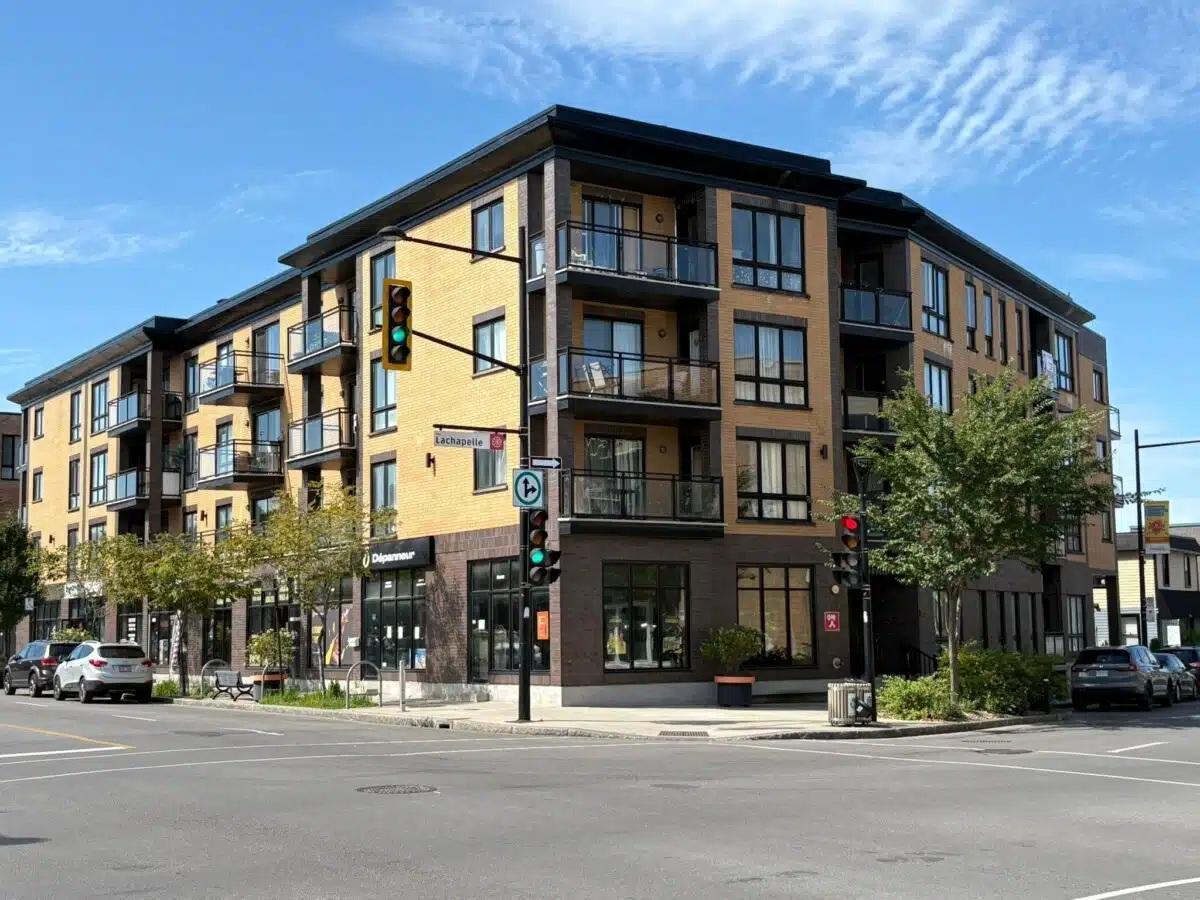
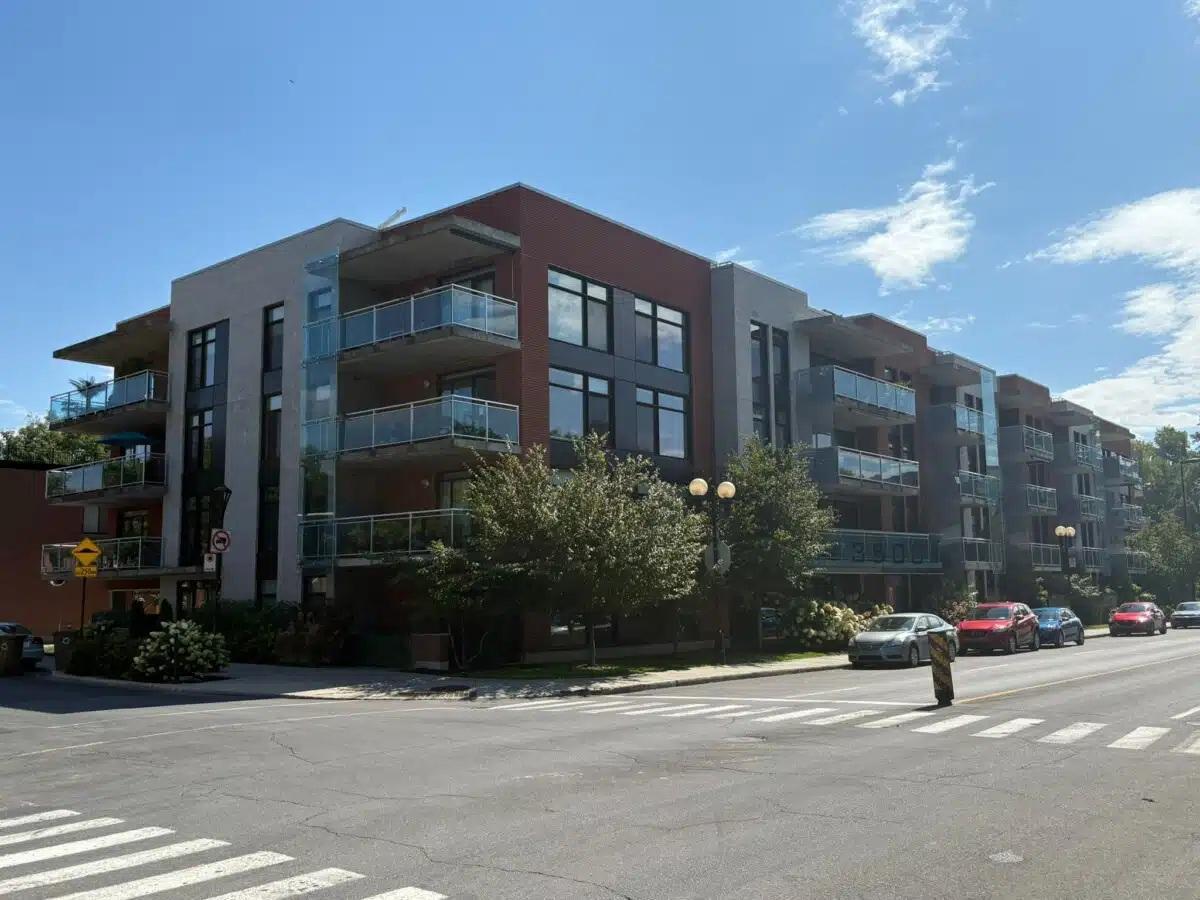
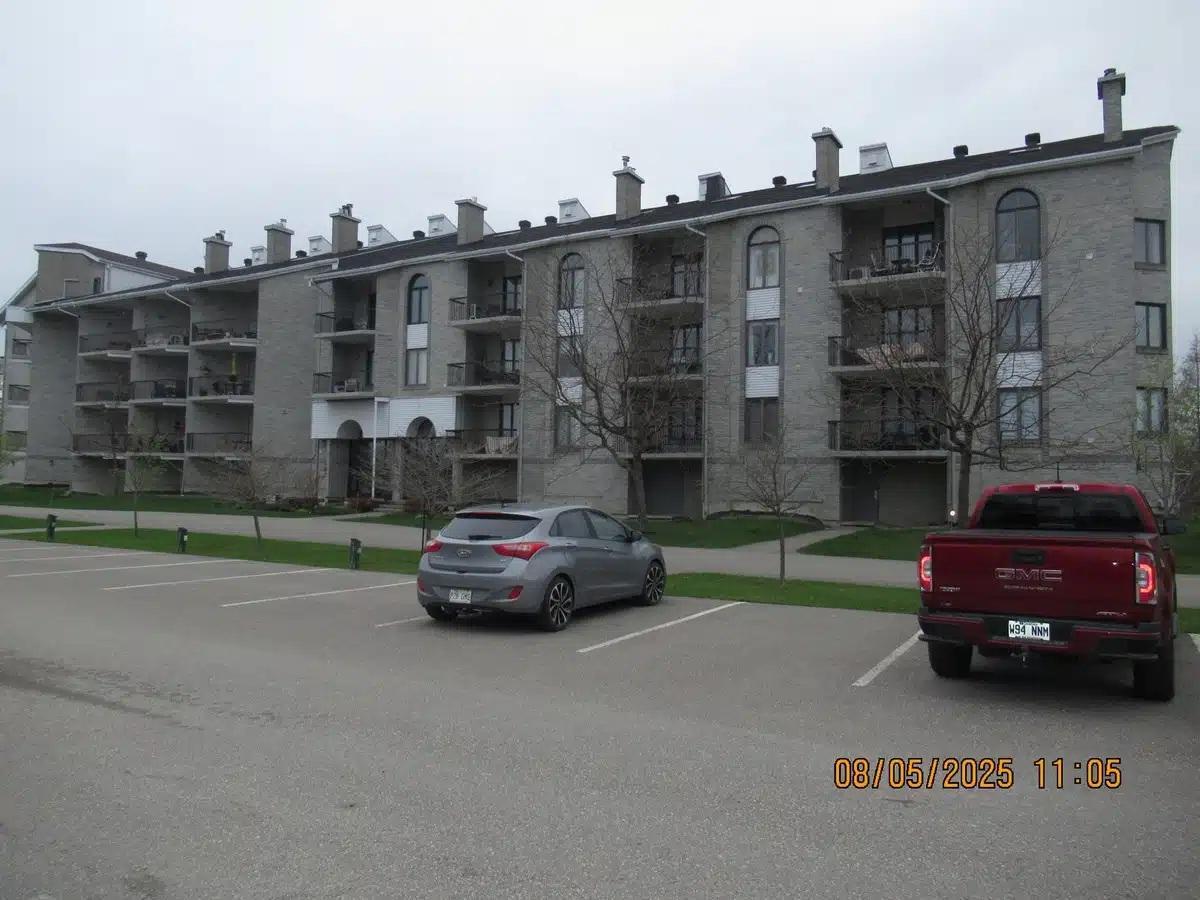
Infrared building thermography is a non-destructive inspection method that uses a thermal imaging camera to detect temperature variations across a building's surfaces. It helps identify hidden issues such as water infiltration, heat loss, insulation deficiencies, and electrical anomalies before they become visible.
July 02, 2026 Planibatimat 359 times
Building Thermography: An Essential Tool for Detecting Hidden Issues and Protecting Your Investment
A building may appear to be in excellent condition on the surface, yet hidden issues such as water infiltration, heat loss, insulation deficiencies, or electrical faults can develop unnoticed and lead to significant damage over time.
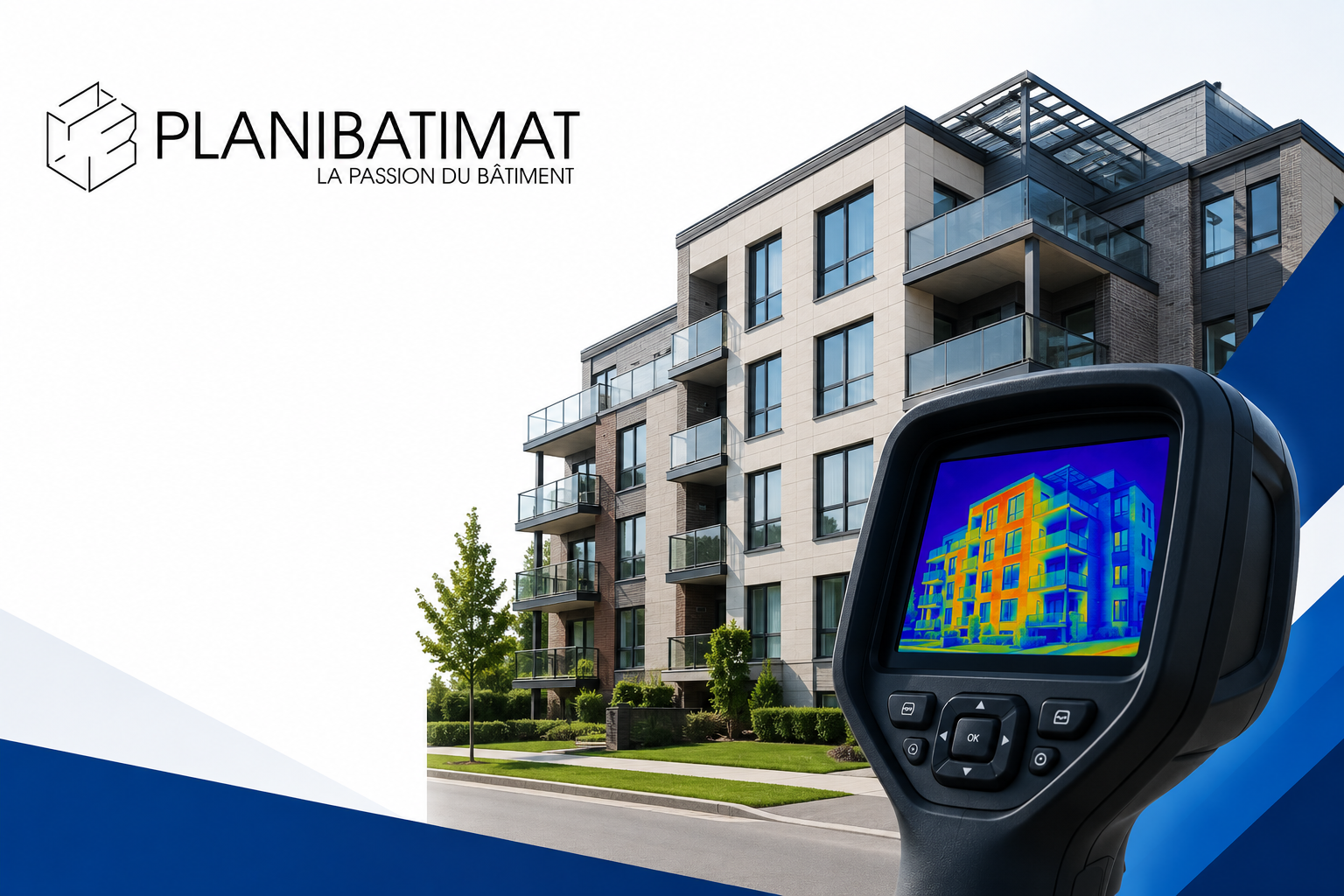
Infrared thermography is a non-destructive inspection technique that uses a high-resolution thermal imaging camera to detect temperature variations across building surfaces. By revealing anomalies that are invisible to the naked eye, it provides valuable information for early detection, accurate diagnosis, and proactive maintenance.
At Planibatimat, we use thermography as a powerful diagnostic tool to identify potential problems before they become costly repairs.
What Is Infrared Thermography?
Infrared thermography is an inspection method that captures the infrared radiation naturally emitted by objects and surfaces to produce a thermal image, also known as a thermogram.
Every building material emits heat differently depending on its temperature, moisture content, insulation performance, and overall condition. These temperature variations allow trained professionals to identify abnormal patterns that may indicate underlying issues requiring further investigation.
Unlike invasive inspection methods, thermography does not require drilling, dismantling, or damaging any part of the building.
Why Perform a Thermal Imaging Inspection?
A thermal imaging inspection can help detect a wide range of hidden building issues, including:
Heat loss and energy inefficiencies
✔️Insulation deficiencies
✔️Water infiltration
✔️Moisture trapped inside walls or roofing systems
✔️Thermal bridges
✔️Air leakage
✔️Electrical hot spots
✔️Certain construction defects
Detecting these issues early allows property owners and managers to take corrective action before minor concerns develop into major repairs.
The Key Benefits of Infrared Thermography
Early Problem Detection
The earlier a problem is identified, the easier and less expensive it is to resolve.
Thermography often reveals hidden defects months—or even years—before they become visible signs of deterioration.
Reduced Maintenance Costs
Repairing a minor water infiltration is significantly less expensive than replacing structural components damaged by prolonged moisture exposure.
By identifying issues at an early stage, thermography helps optimize maintenance budgets and reduce long-term repair costs.
Fast and Non-Destructive Inspection
Infrared thermography requires:
✔️No drilling
✔️No demolition
✔️No damage to the building
Inspections can typically be completed while occupants continue their normal activities without disruption.
Improved Energy Efficiency
Heat loss is one of the leading causes of unnecessary energy consumption in buildings.
By accurately locating areas where conditioned air escapes or insulation is insufficient, thermography helps target improvements that can significantly reduce heating and cooling costs.
Better Maintenance Planning
Thermal imaging provides objective information that helps property owners prioritize maintenance and repair work based on urgency.
This enables more effective planning of short, mediu-, and long-term capital investments.
When Should Thermography Be Used?
Infrared thermography is recommended for a wide variety of buildings, including:
Residential Buildings
✔️Single-family homes
✔️Condominiums
✔️Multi-unit residential buildings
Commercial Buildings
✔️Office buildings
✔️Retail spaces
✔️Hotels
✔️Rental properties
Institutional Buildings
✔️Schools
✔️Hospitals
✔️Municipal facilities
✔️Recreational centres
Industrial Facilities
✔️Manufacturing plants
✔️Warehouses
✔️Industrial buildings
The Most Common Applications of Infrared Thermography
Detecting Water Infiltration
Moisture affects the temperature of building materials, creating thermal patterns that can be detected with an infrared camera.
Thermography can often identify areas affected by water infiltration before visible signs such as stains, mold, or material deterioration appear.
Evaluating Insulation Performance
Poor or deteriorated insulation results in temperature differences that are easily identified through thermal imaging.
This type of inspection is particularly valuable:
✔️Before purchasing a property
✔️After renovation or construction work
✔️During an energy efficiency assessment
✔️As part of a preventive maintenance program
Identifying Air Leaks
Air leakage around windows, doors, roofs, and building joints can significantly impact occupant comfort and increase energy costs.
Infrared thermography allows these problem areas to be located quickly and accurately, making corrective work more effective.
Inspecting Electrical Systems
Loose connections, overloaded circuits, or failing electrical components generate abnormal heat.
Thermal imaging helps detect these electrical hot spots before they lead to equipment failure, costly downtime, or fire hazards.
Roof Inspections
Moisture trapped within roofing systems retains heat differently than dry insulation.
Thermographic inspections help identify affected areas, allowing targeted repairs instead of unnecessary full roof replacements.
Does Thermography Replace a Traditional Building Inspection?
No.
Infrared thermography is an extremely valuable diagnostic tool, but it does not replace a comprehensive building inspection.
Thermal images must always be interpreted by qualified professionals who consider several factors, including:
✔️Weather conditions
✔️Building materials
✔️Solar exposure
✔️Wind conditions
✔️Moisture levels
✔️Building occupancy and operating conditions
A professional interpretation ensures accurate conclusions and appropriate recommendations.
Why Choose Planibatimat?
At Planibatimat, we combine extensive building inspection expertise with advanced thermal imaging technology to deliver reliable, objective, and actionable assessments.
Our services include:
✔️Thorough analysis of thermal anomalies
✔️Professional interpretation of thermal images
✔️Clear and practical recommendations
✔️Comprehensive inspection reports
✔️A proactive approach focused on extending the lifespan of your building
Whether you are a condominium board, property manager, commercial building owner, or institutional organization, our goal is to help you protect your investment while minimizing future repair costs.
Invest in Prevention
A hidden issue today can become a major and costly problem tomorrow.
Infrared thermography is one of the most effective technologies available for detecting hidden building deficiencies before they lead to significant damage.
By incorporating thermal imaging into your preventive maintenance strategy, you can improve your building's energy performance, reduce maintenance costs, extend the lifespan of your assets, and make informed decisions based on accurate data.
Need a Professional Thermal Imaging Inspection?
The experts at Planibatimat are ready to help you assess the condition of your building using state-of-the-art infrared thermography.
Contact us to learn how our thermal imaging services can help protect your property and preserve the long-term value of your investment.
Questions & Answers
-
1. ❓What is infrared building thermography?
-
2. ❓Why should I schedule a thermal imaging inspection?A thermal imaging inspection helps detect hidden building problems early, reducing maintenance costs, improving energy efficiency, supporting preventive maintenance, and protecting the long-term value of your property.
-
3. ❓Does thermography replace a traditional building inspection?No. Thermography is a complementary diagnostic tool that enhances a professional building inspection. Thermal images must be interpreted by qualified specialists to ensure an accurate diagnosis and appropriate recommendations.
News & advice

Condominium Expense Allocation: When to Apply It and What Steps to Follow ?
Read more
Bill 16 : The Must-Sees for Co-Owners in Quebec
Read more
Syndicate of co-ownership: Essential rules and obligations to know
Read more
Pre-Winter Building Inspection: Why Act Now?
Read more
Contingency Fund Co-Ownership: Are You Compliant in 2026?
Read more
A Practical Guide to Condo Work in Quebec
Read more
Implications of Bill 16 for condominiums
Read more